
Website design costs in Kenya: what actually affects the price
By Dismus Nganyi · 3 min read
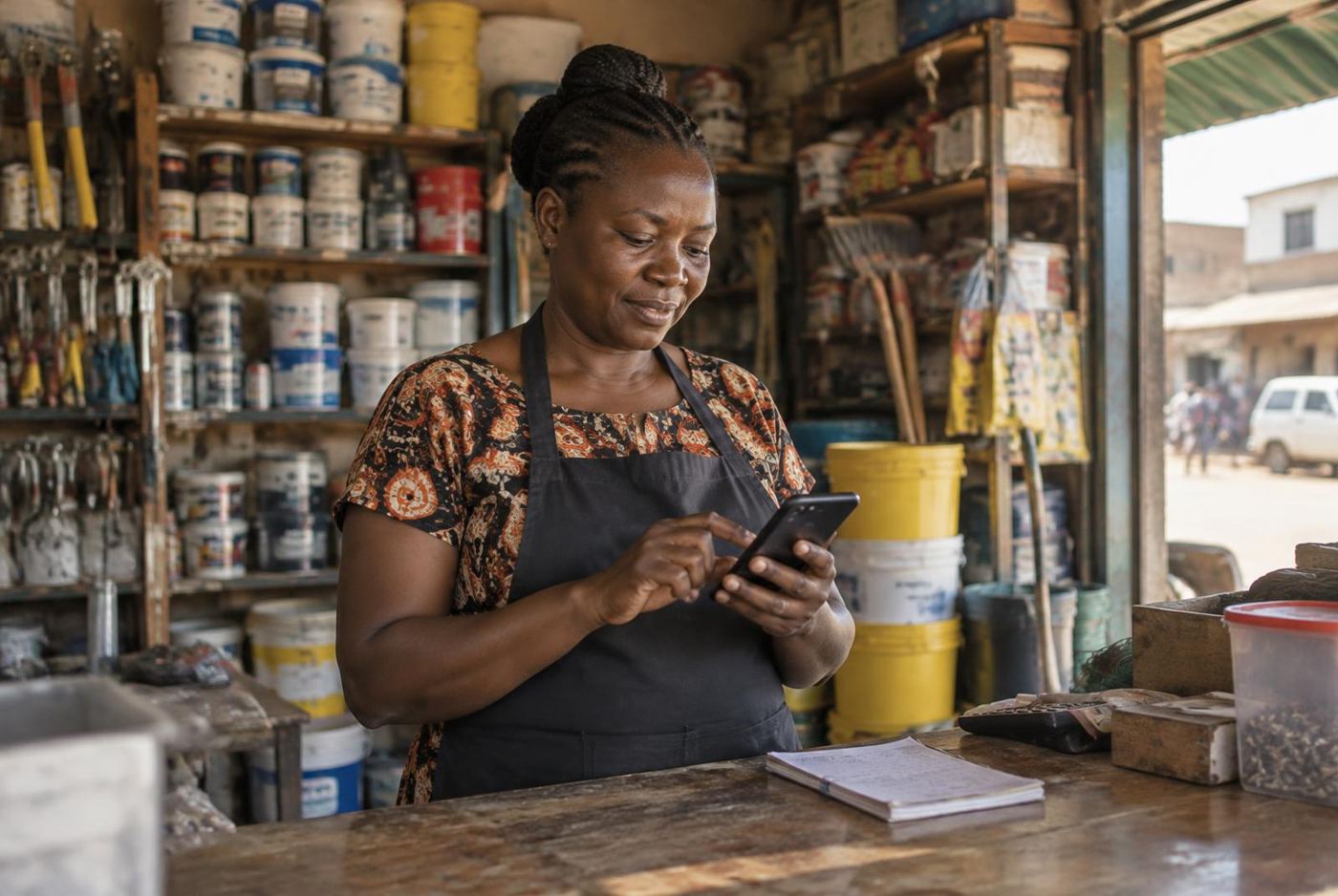 Illustrative photo
Two website quotes can cover very different amounts of work. Here’s how to compare the scope, ongoing costs and responsibilities before choosing.
When you ask how much a website costs, the useful answer starts with another question: what work does it need to do? A salon in Kakamega that wants enquiries through WhatsApp has different requirements from a hardware shop in Nakuru that wants customers to order products online. Neither brief is wrong. They simply involve different decisions, content and testing. Before comparing totals, make sure you’re comparing the same deliverables.
1. Start with pages and their purpose
Write down the pages you need and the job of each one. A services page should explain what you offer. A contact page should help someone reach the right person. A gallery should show relevant work rather than collect every photo available. This list gives the designer something concrete to quote against.
Page count matters, but it doesn’t tell the whole story. Ten product pages using one agreed layout may involve less design work than a single page with several custom interactive sections. Ask which layouts are included, who enters the content, and whether additional pages can be added later without redesigning the website.
2. Content readiness changes the workload
A folder containing approved text, clear photos and a usable logo is a very different starting point from scattered WhatsApp messages. If the designer needs to write service descriptions, organise product information or prepare images, that work should appear in the scope. Don’t assume that providing a business name means all the writing is covered.
- List the services or products that must appear at launch.
- Confirm contact details, location information and opening hours.
- Separate approved images from pictures that still need permission.
- Name the person who will review and approve the wording.
3. Compare templates and custom design fairly
A template can be a sensible starting point when its layout suits the business. It still needs thoughtful content, consistent branding and checks on different screens. Custom design allows more decisions to be made around your particular requirements, but those decisions take time. Neither approach automatically guarantees a useful website.
Ask what the quote means by custom. Does it include original page layouts, or mainly changes to colours and fonts? Also agree on the number of design reviews and how feedback will be collected. One combined response from the business is easier to act on than conflicting messages from several people.
4. Separate simple enquiries from working systems
A WhatsApp link and an appointment booking system are not the same feature. The link opens a conversation; a booking system may need availability rules, confirmations and a way to manage changes. Similarly, displaying products is different from running a shop with stock, checkout, delivery options and order management.
If you want M-Pesa payments, explain the intended customer experience rather than simply writing M-Pesa on the brief. Ask what integration is proposed, what external arrangements it needs, and who tests successful and unsuccessful payments. Any third-party subscriptions or transaction-related charges should be identified separately, not hidden inside a vague promise.
5. Ask about renewals and ownership
The launch invoice shouldn’t be your only cost discussion. Ask how domain registration, hosting, business email and any paid tools will be renewed. Get the renewal responsibilities in writing, including who receives reminders and what happens if you change service providers. A low initial total isn’t enough information for planning.
Register the domain in the business’s own name and keep access details under business control. Ask what you receive at handover: account access, website files where applicable, editing guidance and a record of services used. You shouldn’t need to reconstruct these details when the person handling the website changes.
6. Define support before something needs fixing
Maintenance can mean different things in different proposals. One arrangement might cover software updates and backups; another might include content changes. Ask exactly what is included, how support requests are submitted and what falls outside the agreement. Also distinguish fixes to the agreed work from new features requested after launch.
Take your page list and one clear customer goal into the first conversation. Then ask each provider to explain the assumptions behind their quote. You’re not just buying a collection of screens; you’re agreeing on who will deliver, own and look after a working business tool.
Want help putting this into practice?
Tell me what you're working on and I'll suggest the simplest next step.